 DaVinciDreams
Style vidéo IA Noir
Plongez dans les ombres avec des visuels en noir et blanc à haut contraste, des silhouettes dramatiques et l'atmosphère évocatrice du film noir des années 40.
 Create Noir Videos
Qu'est-ce que le style Noir ?
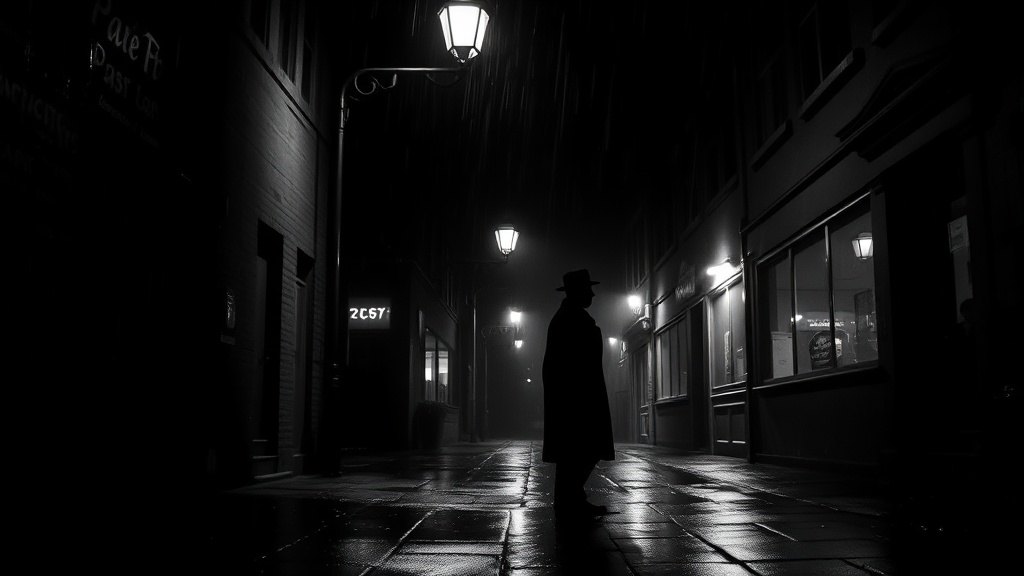
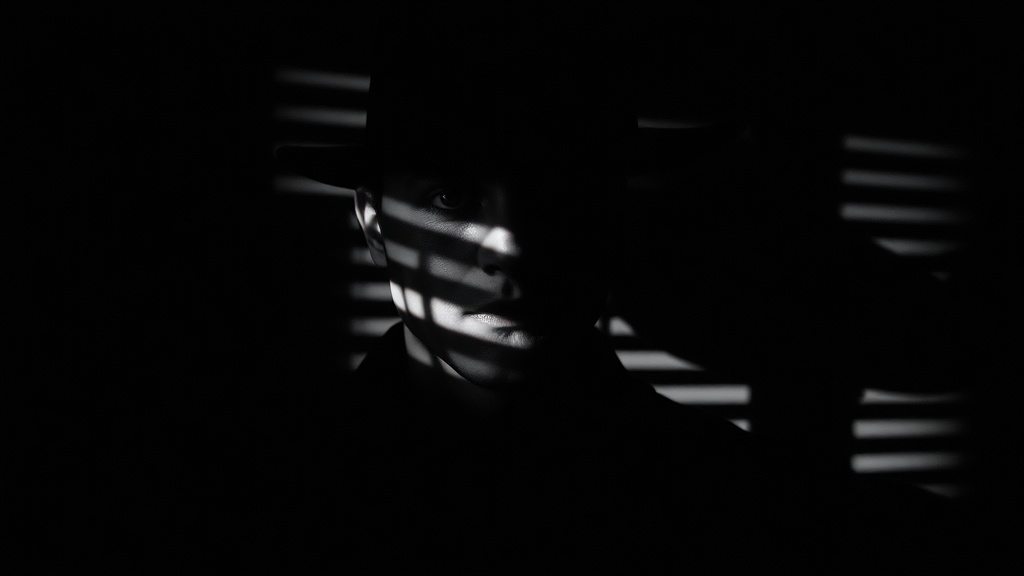
Le film noir a émergé dans le Hollywood des années 40 comme un mouvement visuel et narratif défini par l'ambiguïté morale, la décadence urbaine et un style d'éclairage en clair-obscur emprunté à l'Expressionnisme Allemand. Le préréglage noir de DaVinciDreams capture cette esthétique : des images en noir et blanc à haut contraste où les noirs profonds dominent l'image, les zones de lumière créent des points focaux et les ombres deviennent des éléments de composition actifs qui dissimulent autant qu'elles révèlent. Les motifs de stores vénitiens projettent des ombres striées sur les visages. Les rues mouillées par la pluie reflètent les enseignes au néon. La fumée de cigarette s'enroule à travers un unique faisceau de lumière. L'ambiance est tendue, paranoïaque et atmosphérique — chaque image dit au spectateur que quelque chose ne va pas tout à fait. Si le noir classique était monochrome par nécessité (la pellicule couleur était chère), l'esthétique est devenue un choix artistique délibéré dans les films néo-noirs comme Sin City et L'Homme qui n'était pas là. Ce style fonctionne brillamment pour les drames policiers, les récits de mystère, les clips musicaux atmosphériques et tout projet tirant profit de l'obscurité comme outil narratif. L'absence de couleur force l'œil à lire la forme, la texture et la lumière — rendant chaque décision de composition plus délibérée.
Création de vidéos Noir avec l'IA
Le style noir ajoute « film noir, noir et blanc, ombres à haut contraste, atmosphère des années 40, atmosphérique » à vos prompts, poussant les modèles d'IA vers des résultats monochromes avec une gamme tonale extrême. Les contrôles de détail affinent l'époque et l'intensité. La palette de couleurs fonctionne différemment ici : automatique applique un noir et blanc classique avec des noirs profonds, chaud ajoute une teinte sépia pour une chaleur vintage, froid introduit une teinte bleu acier pour le néo-noir, désaturé crée un aspect quasi monochrome avec une couleur résiduelle ténue (effet bleach bypass), et monochrome offre un noir et blanc pur avec un contraste maximal. Le grain de film est essentiel pour le rendu noir — léger ajoute une texture de pellicule classique des années 40, tandis qu'intense crée la sensation brute du film B noir et du cinéma underground. L'option propre fonctionne pour le néo-noir avec une netteté numérique moderne. L'éclairage low-key est le choix naturel, maximisant le rapport ombre/lumière qui définit le noir, mais l'heure bleue crée des extérieurs crépusculaires inquiétants. Le style de caméra statique crée le cadrage composé et délibéré du noir classique, tandis que dramatique ajoute les angles inclinés des séquences paranoïaques.
Meilleurs modèles pour le style Noir
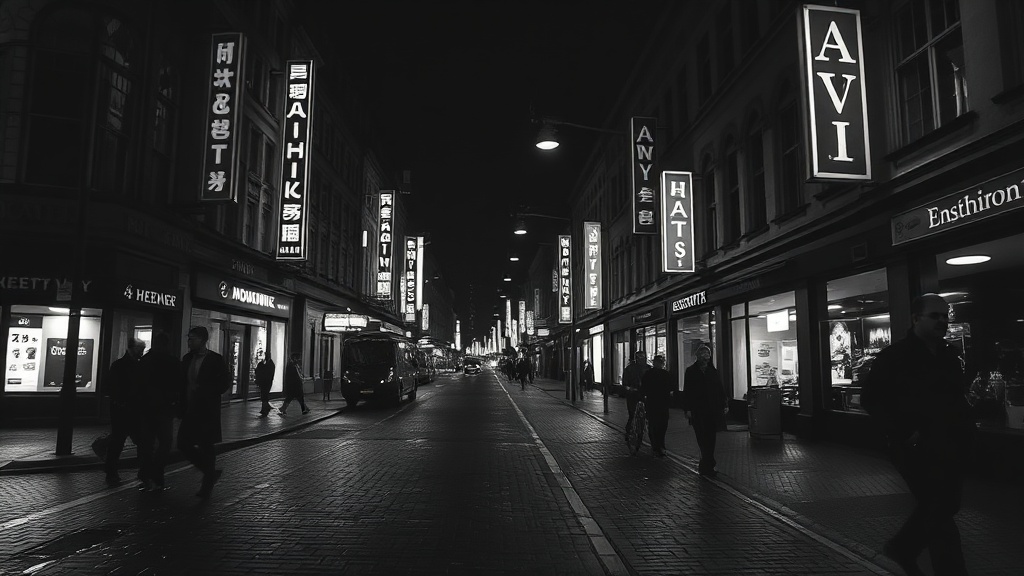
La génération noir dépend de modèles capables de gérer des contrastes tonaux extrêmes sans perdre de détail dans les ombres ni brûler les hautes lumières. Kling 2.6 Pro excelle en noir — son rendu préserve des informations de gradient subtiles dans les zones sombres, ce qui signifie que le détail dans les ombres reste visible même dans les noirs les plus profonds. Les traits du visage sous un éclairage à source unique conservent leur tridimensionnalité au lieu de s'écraser en silhouettes plates. Sora 2 produit les environnements noir les plus atmosphériques, avec des effets de pluie, fumée et brouillard qui interagissent de façon convaincante avec des sources lumineuses directionnelles. Veo 3.1 Fast gère bien les extérieurs noir, générant des paysages urbains et des scènes de rue avec une motivation correcte de la source lumineuse et des surfaces mouillées réfléchissantes. Pour les images fixes et images-clés noir, FLUX Dev génère les images en noir et blanc au contraste le plus élevé avec un remarquable détail dans les ombres, tandis que FLUX 1.1 Pro offre une résolution supérieure pour des portraits noir de qualité affiche. DALL-E 3 crée des compositions noir dramatiques avec un fort travail de silhouette et le type de cadrage avec espace négatif qui définit l'identité visuelle du genre.
Specifications
Key Features
FAQ
Qu'est-ce que le style Noir dans DaVinciDreams ?
Le style Noir génère des vidéos et images IA avec le langage visuel du film noir des années 40 : images en noir et blanc à haut contraste, ombres profondes, éclairage dramatique à source unique et une qualité atmosphérique évocatrice. Il couvre tant le noir classique que l'esthétique néo-noir moderne.
Quels modèles d'IA fonctionnent le mieux avec le style Noir ?
Kling 2.6 Pro préserve le meilleur détail d'ombre sous un contraste extrême. Sora 2 produit les environnements noir les plus atmosphériques avec des effets convaincants de pluie et fumée. Pour les images fixes noir, FLUX Dev génère les images en noir et blanc au contraste le plus élevé.
Puis-je personnaliser le style Noir ?
Oui. Choisissez entre N&B pur, chaleur sépia, bleu acier néo-noir ou quasi monochrome bleach bypass. Réglez le grain de la texture authentique des années 40 au film B brut. L'éclairage low-key maximise les ombres dramatiques, et les angles de caméra inclinés ajoutent une tension paranoïaque.